WordPress vs Umbraco – The Ultimate Guide
WordPress powers over 43% of all sites today, equivalent to a massive 62.8% market share among CMS platforms. In comparison, Umbraco is used on less than 0.1% of sites. While WordPress towers over Umbraco in usage statistics, just stats do not tell the whole story. WordPress is built for the masses Umbraco on the other hand gives you full customization options over your website. Both have their strong suites but which one should you go for? Long story short it depends. Maybe you are building an e-commerce store or a property listing app where you want full control then Umbraco is the way. Whereas if you are going for a simple Landing page or a simple blog then WordPress is the one. Which one you should choose depends highly upon your needs. So, that is why we are going to compare both of these head-to-head to get a better understanding of which one is perfect.
WordPress vs Umbraco – Detailed Comparison
Look at this detailed comparison between WordPress and Umbraco
| Feature | WordPress | Umbraco |
| Type | Open-source CMS | Open-source CMS |
| Language | PHP | .NET |
| Database | MySQL | SQL Server, MySQL, PostgreSQL |
| Market Share | ~43% of all websites | ~0.2% of all websites |
| Ease of Use | Very user-friendly | Steeper learning curve |
| Flexibility | Highly flexible | Flexible, but more developer-oriented |
| Hosting | Wide range of options | Requires Windows hosting |
| Community Size | Very large | Smaller, but active |
| Plugin Ecosystem | Extensive (50,000+ plugins) | Limited (1,000+ packages) |
| Themes/Templates | Thousands available | Fewer options, often custom-built |

Understanding Umbraco and WordPress
Umbraco offers extensive customization through its ASP.NET framework. Developers have control over design elements, integrations, and interfaces. This needs technical skills but allows for custom-made solutions. WordPress makes design easy for all users with themes and plugins. It has some limits on changes, but its user-friendly interface helps create sites quickly without much coding.
Design Approach
When considering design and customization, the choice between Umbraco and WordPress is similar to comparing custom-made versus ready-made solutions.
Umbraco: Flexibility for Specialized Requirements
Umbraco gives developers and designers a blank slate. It’s great for creating a different digital experience. However, you need coding skills to use it well. For teams with these abilities, Umbraco lets you build highly customized websites that are limited only by your expertise.
WordPress: Accessible Design Options
WordPress helps you get online fast with its simple interface and ready-made themes and plugins. While you can’t change everything, it’s easy for all skill levels to use. It’s a quick way to set up good websites without coding.

Flexible Approaches
Both systems let you do things your way, just differently.
Umbraco
Umbraco removes limitations for deep technical customization. It has some templates and plugins, but its strength is in its flexible structure. It’s ideal for teams who usually need unique features that pre-made solutions can’t offer. Umbraco works well for complex, specialized projects where custom development is key.
WordPress
WordPress makes flexibility easy with its user-friendly interface and many pre-built tools. You can easily adjust themes and plugins for regular websites, blogs, or online stores. It simplifies the process of changing and managing your website for common needs.
E-commerce Approach
WordPress and Umbraco differ in built-in eCommerce support and integration complexity.
WordPress & WooCommerce
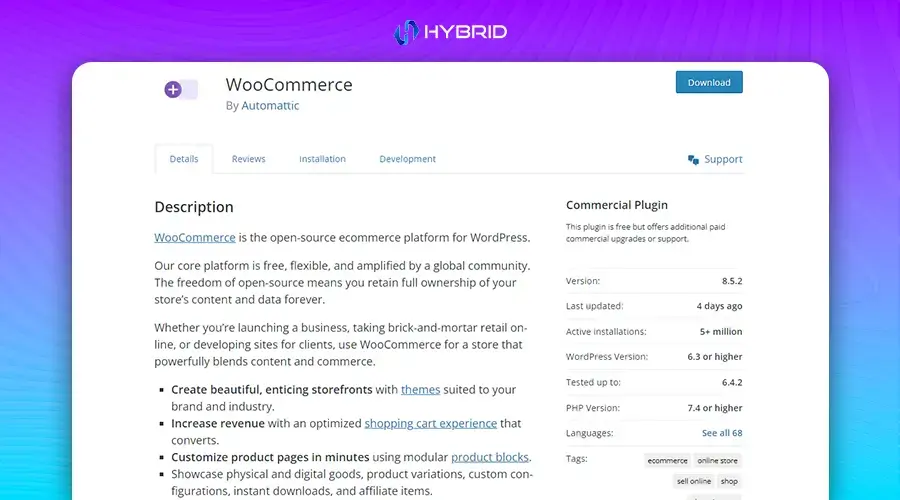
WordPress teams up with WooCommerce to offer a strong online store solution. It’s easy to use and has many features to help set up and run your shop. This combo works well for businesses that want a full-featured yet simple-to-use store platform. Users benefit from an easy-to-use interface and WooCommerce’s extensive feature set that simplifies online store creation and management.
Umbraco eCommerce
Umbraco takes a more custom approach to online stores. It’s not set up for retail out of the box, but you can build any kind of shopping experience. You’ll need good development skills to make it work, but it’s great for businesses with unique needs that regular solutions can’t meet
Security Approach
WordPress and Umbraco differ in inherent security profiles due to technological and user base factors. Maintaining robust protection requires ongoing effort with each system.
WordPress
WordPress relies on frequent updates across its large ecosystem. Its popularity makes it a bigger target, so that’s why when developing wordpress websites you need to focus on Best practices of theme development and plugin development.
Umbraco
Umbraco benefits from fewer users and a strong framework but needs developers to set up security well. There might be fewer attacks, but you still need to be careful.
Performance Optimization
Where your site is hosted affects how well it runs for both systems. WordPress works on many types of hosting and can be affordable. Umbraco needs more expensive Windows hosting but can handle big enterprise needs. Both have tools to help your site run smoothly, from small blogs to large corporate sites.
Growth and Expandability
Umbraco
Umbraco lets you build exactly what you need as you grow. It’s good for handling complex, large projects, but you need development skills. With your team, you can create a system that grows perfectly with your needs.

WordPress
WordPress makes growing your site easy. It can handle more traffic, complexity, and add-ons over time, thanks to its large plugin ecosystem. This setup lets your site evolve easily as your business changes.
SEO Considerations
Umbraco
Umbraco needs more manual setup for SEO, but it lets you control everything if you know what you’re doing. It’s great for creating custom SEO strategies that fit your exact needs.
WordPress
WordPress is ready for search engines from the start and has many plugins to help improve your visibility. It’s a good choice for boosting your online presence without needing to be an SEO expert.
Community and Support
Umbraco: Focused Expertise
Umbraco has a smaller but dedicated community of developers who really know their stuff. They share knowledge, but help might be harder to find for unusual issues.
WordPress: Broad Global Network
WordPress has a huge, varied community worldwide. You can easily find help through forums, meetups, and guides for all skill levels. This big community is a major reason why so many people use WordPress.
Licensing and Costs
Understanding Financial Models
Both platforms have free versions, so you don’t have to pay for licenses. But their cloud versions have different prices. For WordPress, you pay for hosting, themes, plugins, and maybe some development. There’s a competitive market for add-ons, so you can often find good deals. Umbraco needs more expensive Microsoft-based hosting. The basic version is free, but complex custom setups might cost more in development and hosting than WordPress.